

Flex vs Vinyl Banner: Difference & Which Should You Choose?
Flex vs vinyl banner is a common confusion for Indian shops, events, schools, clinics, showrooms and exhibitions. Flex is usually the budget-friendly hanging banner. Vinyl is usually chosen when the print must look cleaner on glass, ACP, wall panels, vehicles or close-up brand displays.
Use this guide to compare price, print quality, durability, finishing, permissions, warranty and the practical situations where each material makes sense.
Flex vs vinyl banner: the simple answer
Choose flex banner when you need a low-cost, large, rollable, temporary or semi-temporary display for a sale, event, roadside notice, stage backdrop, school programme or shop promotion. Choose vinyl when the graphic must stick neatly on glass, ACP, wall panels, foam board, sunboard, vehicle surfaces or a shopfront panel where close-up finish matters.
In BRS SIIGNS quotations, “flex” usually means printed banner material finished with eyelets, rope, pockets or frame support. “Vinyl” usually means self-adhesive printed vinyl or vinyl graphics mounted on a cleaner base like ACP, acrylic, glass or board. That is why vinyl often costs more but looks sharper for permanent branding.
One-line recommendation
For short campaigns: flex banner.
For permanent brand surfaces: vinyl on ACP, acrylic, glass or panel.
For premium night visibility: consider LED, acrylic or 3D signage instead of only printed material.
BRS SIIGNS keeps the decision practical by checking board size, viewing distance, indoor/outdoor exposure, print life, fixing method and whether the board must be removed later.
What “flex” and “vinyl” usually mean in Indian signage quotes
Flex banner
Flex is a flexible printed sheet used for hanging banners, event backdrops, political/public notices, promotional boards and budget shop displays. It is usually fixed with eyelets, rope, pockets, frames or clamps.
Vinyl print
Vinyl is commonly used as a self-adhesive printed film. It can be pasted on glass, ACP, sunboard, acrylic, vehicles or wall panels. It gives a cleaner edge and better close-up appearance when applied correctly.
Vinyl banner
Some suppliers also call premium PVC banner material “vinyl banner.” Before comparing quotes, ask whether they mean loose banner material, adhesive vinyl sticker, or vinyl mounted on ACP.
Flex vs vinyl banner difference table
| Factor | Flex Banner | Vinyl / Vinyl on Board | Best Choice |
|---|---|---|---|
| Main use | Large temporary banners, sale boards, events, stage backdrops | Glass graphics, ACP shop boards, wall panels, vehicle graphics, close-view branding | Depends on duration |
| Cost | Lowest starting cost | Higher due to film, lamination, backing and labour | Flex for tight budgets |
| Finish | Good from distance, can show folds if handled badly | Cleaner at close viewing distance | Vinyl for premium surfaces |
| Durability | Short to medium term based on GSM, ink and wind exposure | Medium to long term when laminated and applied on a stable base | Vinyl on ACP for long-term shopfronts |
| Portability | Easy to roll, transport and reuse carefully | Adhesive vinyl is not meant for repeated removal | Flex for events |
| Night visibility | Backlit flex works inside a lightbox | Can be combined with ACP, acrylic, lightbox or external lighting | Backlit flex or illuminated sign |
| Wind handling | Needs proper frame, pockets or mesh for large outdoor sizes | Depends on base panel and fixing | Professional installation for both |
| Brand impression | Practical and economical | Cleaner, more permanent feel | Vinyl or premium signage for brand frontage |
Flex and vinyl banner price ranges in India
Prices vary by city, quantity, print mode, material thickness, finishing, urgency, frame and installation. BRS SIIGNS’ existing flex pricing references show print-only flex can start around ₹18–₹60+ per sq.ft, while finished vinyl-on-ACP sign boards can start higher because the quote includes more than ink and material.
| Item | Typical Range | Usually Includes | Best For |
|---|---|---|---|
| Economy indoor flex | ₹18–₹30 / sq.ft | Basic print, simple use, no heavy finishing | Indoor event notices, small promotions |
| Standard outdoor flex | ₹30–₹55 / sq.ft | Outdoor flex print, eyelets or basic finishing | Shop offers, roadside banners, school/event displays |
| Premium backlit/blockout/mesh flex | ₹55–₹110+ / sq.ft | Special material, stronger visibility or wind handling | Lightboxes, large hoardings, windy sites |
| Self-adhesive vinyl print | ₹80–₹180+ / sq.ft | Printed adhesive film, optional lamination | Glass, wall graphics, vehicle/indoor branding |
| Vinyl on ACP / panel board | ₹550–₹950+ / sq.ft | Panel, print, frame planning and installation variables | Permanent shopfront branding |
Do not compare a print-only flex rate with a complete vinyl board rate. A complete board may include design cleanup, panel backing, frame, transport, GST, labour, height access, old-board removal and warranty support.
Which should you choose for your business?
- Choose flex for seasonal sales, admissions, one-time events, exhibition backdrops, hoardings, banners that need to be rolled and carried, and low-budget announcements.
- Choose vinyl for permanent glass branding, mall kiosks, clinic walls, office reception graphics, vehicle graphics, product displays, menu boards and panel-based shop signs.
- Choose backlit flex for lightboxes where the print must glow evenly at night.
- Choose vinyl on ACP when the board must look cleaner than loose flex but still remain more budget-friendly than acrylic or 3D metal letters.
- Choose LED, acrylic or 3D signage when the sign must build strong premium perception for years, especially on a main shopfront.
Three questions BRS SIIGNS asks first
How long should it last? One week, one season, one year or several years?
How close will people see it? A close-view reception wall needs better finish than a far-view roadside banner.
Where will it be fixed? Glass, wall, frame, lightbox, pole, vehicle, ACP panel or temporary stage support need different materials.
Send Site PhotoOutdoor life depends more on finishing than the material name
Wind
Large flex banners can tear near eyelets if the frame and tension are weak. Mesh flex, reinforced pockets or stronger framing may be needed for exposed sites.
Sun and rain
UV exposure, rain, dust and heat affect colour life. Better ink, lamination and site-appropriate material matter more than choosing the cheapest print.
Surface quality
Vinyl fails early when applied on dirty, damp, rough or unsuitable surfaces. Proper cleaning, curing and edge sealing improve life.
For outdoor public-facing banners, also check local rules. Tamil Nadu’s urban local body rules discuss hoarding licence applications, display types, sensitive areas, permitted printed displays and limits on unsafe projection into public movement areas. India’s plastic-waste framework and state pollution-control guidance also make it sensible to avoid short-life throwaway PVC banners where a reusable or longer-life option can do the job.
Design details that decide whether the banner looks professional
A banner is not judged only by material. A low-resolution logo, crowded text or weak contrast can make even premium printing look poor. BRS SIIGNS checks artwork size, logo clarity, colour contrast, safe margins, bleed, viewing distance and fixing points before recommending the final print method.
For flex banners, keep text bigger and simpler because viewers often read from the road. For vinyl on panels or glass, sharper images, small brand details and clean edges are more noticeable because people stand closer.
Artwork checklist
- Use vector logo files where possible.
- Keep phone number and offer text large enough.
- Avoid placing important text near eyelets, folds and frame edges.
- Use high contrast for roadside reading.
- Ask for matte/gloss lamination only when it improves the use case.
Finishing and installation options to ask about
| Option | Works With | Why It Matters | Ask Before Ordering |
|---|---|---|---|
| Eyelets | Flex banners | Helps tie the banner neatly with rope or cable ties | Eyelet spacing and rust resistance |
| Rope pockets | Large flex banners | Distributes tension better than random holes | Pocket side and stitching/welding strength |
| Lamination | Vinyl prints | Adds scratch and weather protection | Matte, gloss or anti-scratch need |
| ACP backing | Vinyl boards | Gives flat surface and longer shopfront life | ACP thickness, frame and waterproof edge |
| Lightbox | Backlit flex or translucent graphics | Improves night visibility | LED spacing, access panel, SMPS warranty |
Common mistakes when comparing flex vs vinyl banner quotes
Comparing only rate
A ₹25/sq.ft print-only flex quote cannot be compared with a vinyl-on-ACP board that includes backing, frame and installation.
Ignoring wind
Outdoor banners fail early when large sheets are tied loosely without proper reinforcement, frame support or wind escape planning.
Using small text
A design that looks good on phone screen may become unreadable from 30–50 feet. Size and contrast must suit the site.
No surface check
Vinyl stickers peel when applied over dusty, oily, wet or rough surfaces. Surface preparation is part of the result.
Skipping permission
Road-facing banners, hoardings and public-space displays may need local permission depending on city, size and placement.
No warranty terms
Ask what is covered: print fading, material tear, lamination, frame, installation, water seepage or electrical parts in lightboxes.
Eco, invoice and permission checks for Indian buyers
Flex and vinyl are useful materials, but they should be used responsibly. For short campaigns, avoid oversized disposable prints when a reusable standee, cloth banner, ACP board or digital screen is more suitable. For public-facing placement, check local body rules before installation, especially near roads, footpaths, medians, traffic signals and public utilities.
For billing and warranty, ask for a proper invoice, material description, size, finishing, installation scope, tax details, warranty duration and maintenance note. Consumer help channels and GST references are useful when buyers want documentation clarity.
Helpful official references
For standards and quality awareness, refer to Bureau of Indian Standards, BIS LED references for illuminated sign components, CBIC GST rates, the GST Council invoice flyer, National Consumer Helpline and the Department of Consumer Affairs consumer-rights page.
For environmental and public-space awareness, see CPCB plastic-waste rules, TNPCB plastic-waste guidance, the MoEFCC plastic-waste amendment note, Government instruction on short-life PVC flex banners, Tamil Nadu Urban Local Bodies hoarding rules and the Tamil Nadu digital banner/placard amendment reference.
Why BRS SIIGNS separates material, finish and installation
In-house signage view
BRS SIIGNS manufactures vinyl, UV flex, LED, acrylic, 3D metal letters and modular signage, so recommendations are not limited to one print material.
Clear quote structure
Print, lamination, backing, frame, transport, GST, installation and warranty are treated separately so buyers can compare properly.
Practical material upgrade
If a flex banner is enough, it is recommended. If the frontage needs long-term brand value, vinyl on ACP, acrylic, LED or 3D letters are discussed.
For additional industry context, readers may also refer to India’s National Technical Textiles Mission, Invest India’s technical textiles overview, Udyam/MSME registration portal, Ministry of Corporate Affairs, Make in India textiles information, Bureau of Energy Efficiency for illuminated displays, ISO quality-management guidance and W3C accessibility guidance when planning readable public information graphics.
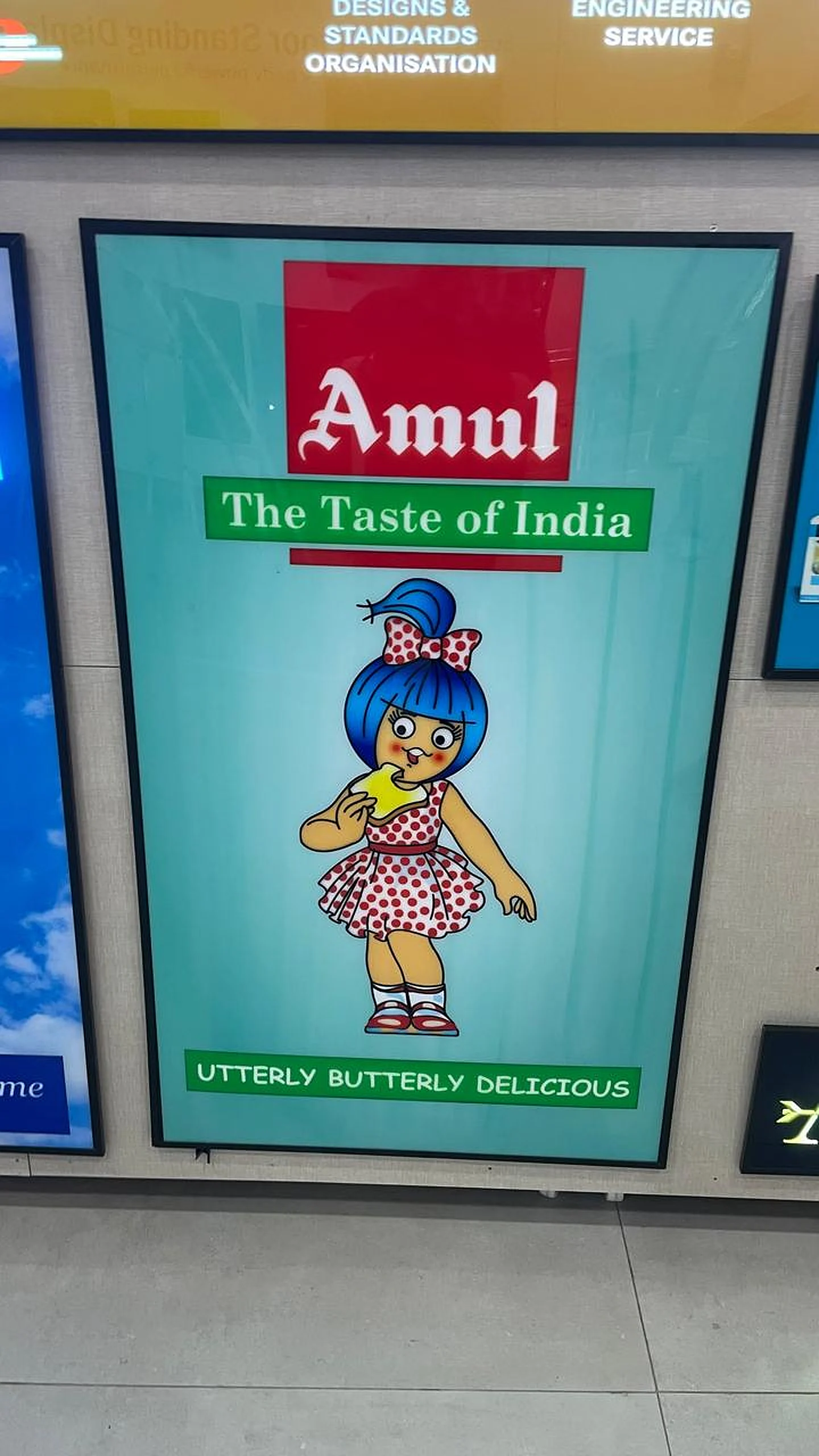
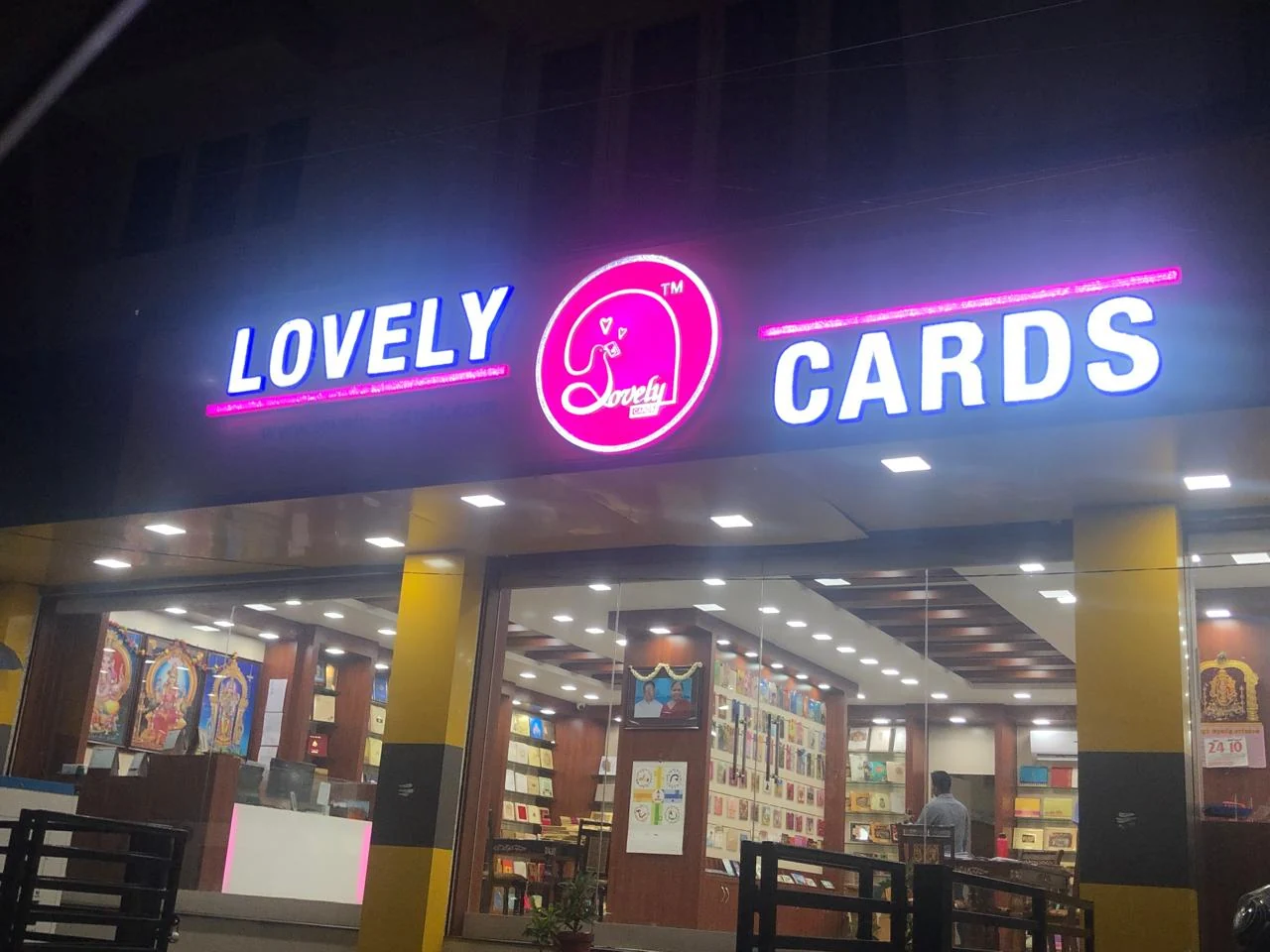
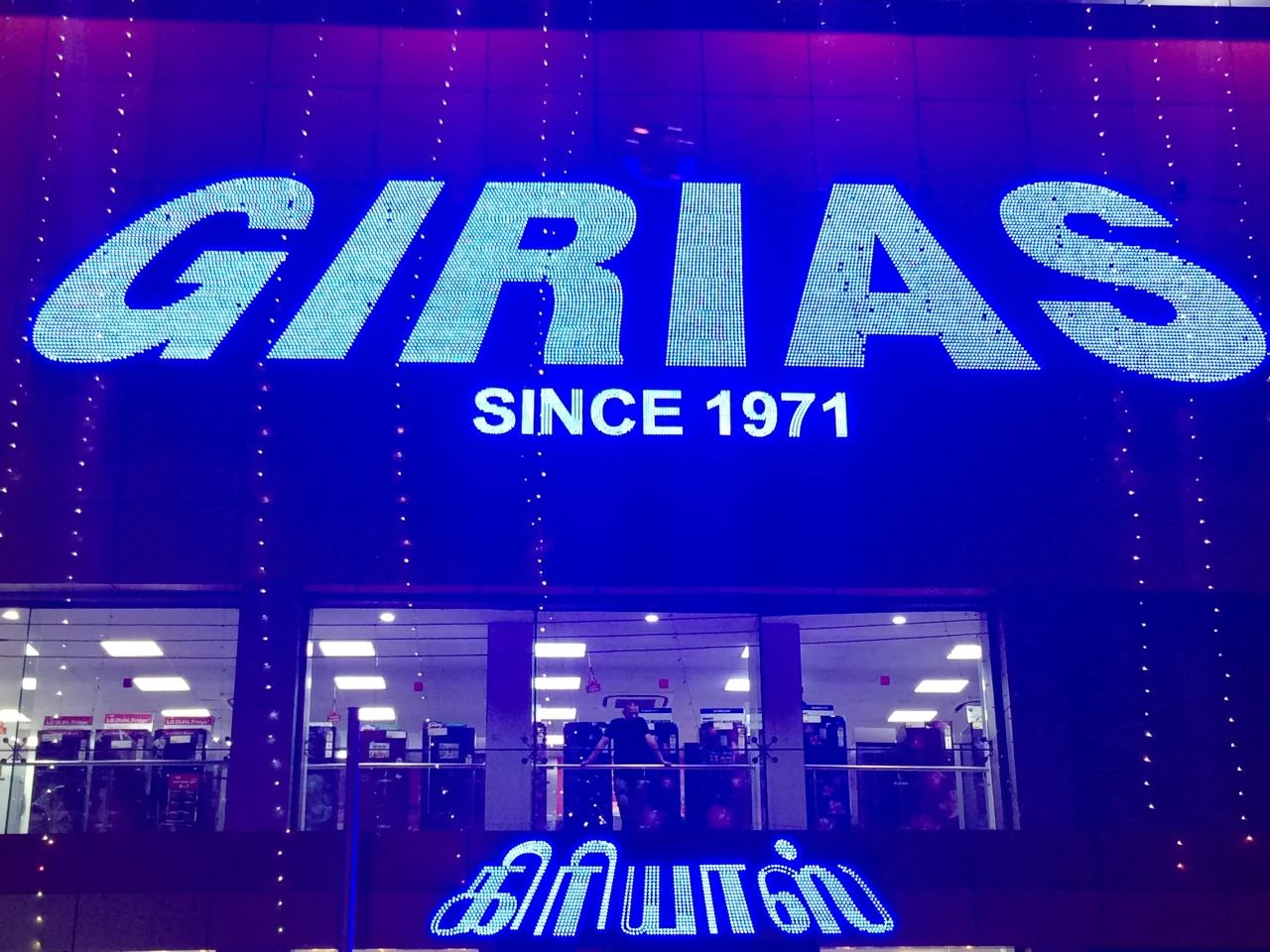
Print and signage examples for material planning
Frequently asked questions about flex vs vinyl banner
Is flex cheaper than vinyl banner?
Yes, flex is usually cheaper for print-only banners. Vinyl costs more when it includes adhesive film, lamination, cleaner surface application, ACP backing or installation.
Which is better for outdoor shop promotion?
For a short sale or event, outdoor flex is usually enough. For a long-term shopfront, vinyl on ACP, acrylic, LED or 3D letters can look more professional.
Can vinyl be used like a hanging banner?
Some suppliers call PVC banner material “vinyl banner,” but self-adhesive vinyl is normally pasted on a surface. Confirm whether the quote is for loose banner, sticker vinyl or vinyl on board.
Which material is better for glass branding?
Vinyl is better for glass branding because it can be cut, pasted and finished neatly. Flex is better when you need a hanging or frame-mounted temporary display.
Does BRS SIIGNS provide warranty on flex and vinyl?
BRS SIIGNS warranty references mention 2 years on flex printing and vinyl under suitable project conditions. Final warranty depends on material, site exposure, installation and maintenance.
What should I send for a quote?
Send width, height, city, site photo, indoor/outdoor use, expected duration, artwork or logo, fixing surface, viewing distance and whether you need print-only, installation or a complete board.
BRS SIIGNS vinyl and flex quote support across India
BRS SIIGNS manufactures from Trichy, Tamil Nadu and supports vinyl, UV flex, acrylic, LED, 3D metal letter and modular signage enquiries for businesses across Tamil Nadu and India. Share your site photo and board size for practical material guidance before you spend on the wrong print.
Still unsure between flex and vinyl?
Send a storefront photo, required size, location, expected display duration and budget. BRS SIIGNS will suggest whether flex, vinyl, vinyl on ACP, backlit flex, acrylic, LED or 3D signage is the right fit.